
05 Jan Opinion – 24,455 Days of Tyranny
By,
Pedro Corzo, Senior Fellow, MSI²
Forgive the personal tone of this column, but my country, the homeland of José Martí, has just completed 67 years under a system of opprobrium that has brought nothing but misfortune and sorrow to Cubans and to peoples such as those of Venezuela, Nicaragua, and Bolivia, who have likewise been subjugated by hatred and envy, disguised in a discourse of justice and bread, without forgetting that many others, such as Colombia, Uruguay, and Argentina, suffered Castroist subversion at its most brutal.
Castroism has been particularly disastrous for Cubans, but various parts of the world bear its infamous scars. Several African countries suffered Castroist military occupation, and all Latin American states, to some extent, have resisted terrorism and drug trafficking inspired by the chimera of insular totalitarianism.
Despite this bitter truth, I feel very proud to have been born in Cuba and to have fought the Castroist system practically since it took power; however, I cannot help but feel ashamed that tyranny has subjugated the Cuban people for so many years, despite the executed, the fallen in combat, the disappeared, and the imprisoned.
More than six decades after the tyranny was inaugurated, I remain convinced, contrary to what some compatriots believe, that we ourselves built the grave in which we now find ourselves. It is true that many have fought the opprobrium, but there has been no shortage of accomplices to ignominy who, for paltry advantages, continue to act as victimizers and professional abusers, wretched individuals willing to serve as executioners in prisons or as judges in the dictatorship’s spurious courts.
Today’s sorrow is not new; it dates back to the ominous year of 1959, when a significant number of Cubans sinned by being naïve in believing all the promises of a university thug, with more than one murder to his name and associated with more than one gangster, who, as a final touch, had never worked a day in his life. A habitual loafer who later had the audacity to enact a Law Against Vagrancy in the Republic he destroyed.
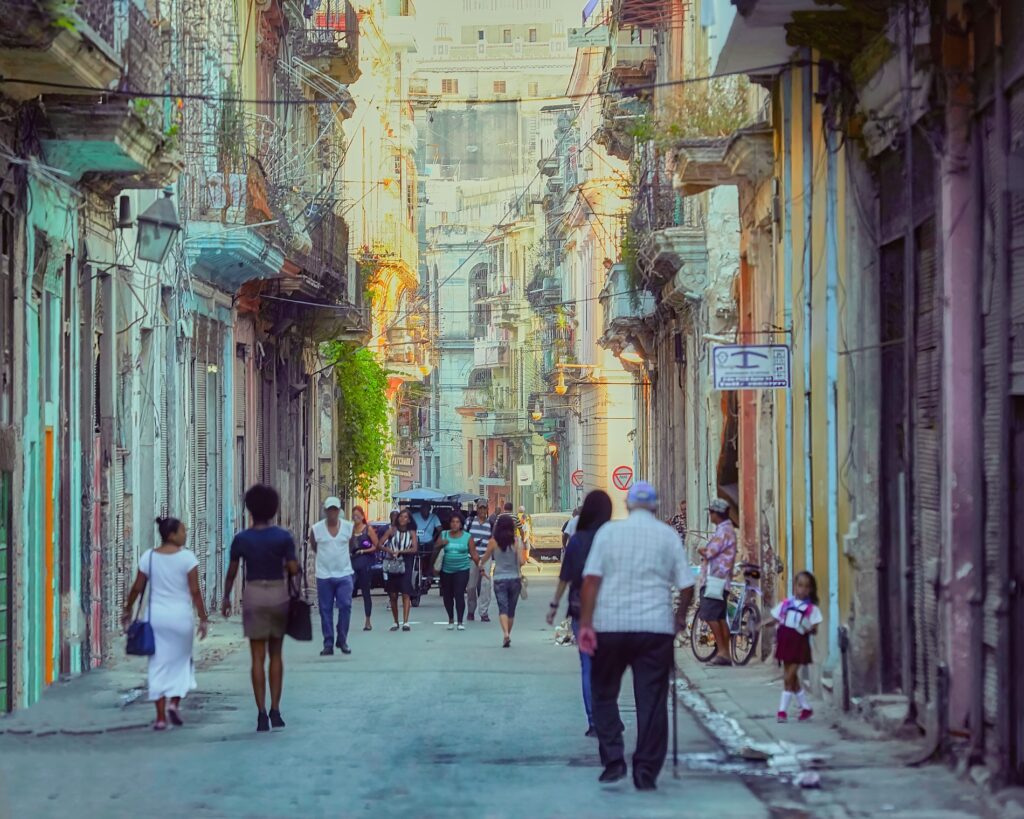
The country split apart. Hatred took hold of many people. Sectarianism and discrimination grew; perversity and informants became abundant harvests. Familial love in many households relinquished its prerogatives and was replaced by an unknown resentment.
A broad sector of the population was enchanted by a repetitive discourse that made them believe they alone made decisions, that Castro, whom they called Fidel, was a friend incapable of committing evil.
Meanwhile, another group, smaller in number but more astute, with knowledge and moral values, accepted responsibilities they soon renounced when they realized there were no good intentions along that road to hell, while there were also third parties, lacking moral scruples, intoxicated by ambition and fully aware of the national reality, who accepted the new rules imposed by the Moncada brotherhood.
Fidel and Raúl Castro seized power based on lies and manipulation. They promised bread and freedom, justice and popular sovereignty; they even made their followers masquerade as believers to silence the scandal of the firing squads and thus spread the belief that past iniquities could be compensated with new injustices.
The oppression suffered by Cubans has no parallel in this hemisphere. The six decades and seven years of Castroist autocracy were sustained for 49 years by the world’s longest-ruling dictator, Fidel Castro, who combined his power with the establishment of a family caste that controls the lives and property of all islanders, today managed by Raúl Castro and Miguel Díaz-Canel, an individual incredibly more inept and incapable than the disastrous brothers.
It must always be said: Cubans have never been absent from the fight against tyranny, citizens willing to give their lives to regain freedom even without ever having enjoyed it, as is the case with those hundreds of young people imprisoned for demanding their rights, who were born decades after the Castro family took power.
My generation is convinced that totalitarianism will come to an end. We have great confidence in those who have never ceased to fight for freedom and civil rights. However, many of us are not sure we will be able to see the beauty of the beaches of exile as we bid them farewell.
The opinions expressed in this article are those of the author and do not necessarily reflect the views of the Miami Strategic Intelligence Institute (MSI²).